Parking Enforcement Towing in Kitchener: What Property Owners Need to Know
You own a strip plaza on Victoria Street. Every morning, commuters park in your tenant’s spots, take the ION LRT to work, and leave their cars all day. Your tenants are furious. Customers can’t find parking. You’ve put up “No Parking” signs but nothing changes — because signs without enforcement are just suggestions.
Or you manage a 200-unit condo building in Waterloo. Visitors park in assigned resident spots. Delivery trucks block fire routes. Unauthorized vehicles fill guest parking overnight. Residents complain to the board every month, and the board looks to you for solutions.
Parking enforcement towing is the answer — but it comes with legal requirements that property owners must follow precisely. This guide covers the signage rules, authorization process, tow operator requirements, liability considerations, and how to set up an enforceable towing program for your Kitchener property. For immediate parking enforcement towing service or to discuss a contract for your property, call our commercial towing team at (226) 476-0477.
Legal Requirements for Private Property Towing in Ontario
Before you tow a single vehicle from your property, you need to understand the legal framework. Ontario’s TSSEA and the Trespass to Property Act work together to govern private property towing. Here are the requirements you must meet:
- Proper signage must be posted — signs must be clearly visible at every entrance to the property and throughout the parking area. Signs must state that unauthorized vehicles will be towed at the owner’s expense, include the name and phone number of the tow company, and be legible day and night. Without compliant signage, you have no legal basis to tow.
- Use a TSSEA-certified tow operator — the tow company you contract with must hold a valid TSSEA certificate. Using an unlicensed operator exposes you to liability and may invalidate the tow entirely. All tow trucks must display the operator’s name and certificate number.
- Authorization must come from the property owner or authorized agent — you (or your property manager with written authorization) must approve each tow. A tow company cannot patrol your lot and remove vehicles on their own initiative without your specific authorization for each vehicle.
- The tow must go to a licensed storage facility — vehicles removed under parking enforcement must be taken to a TSSEA-certified storage lot, not an unlicensed yard. The vehicle owner must be able to retrieve their car and personal belongings according to TSSEA rules.
- Document everything — photograph the vehicle, its location, the posted signage, and any parking violation (expired permit, no permit displayed, blocking fire route) before the tow occurs. This protects you if the vehicle owner disputes the tow.
For Ontario’s full TSSEA requirements including consent procedures and rate structures, see our guide on Ontario towing laws. For rate information, read how much tow trucks can legally charge.
Getting the Signage Right: The Foundation of Enforcement
Signage is the single most important element of a legal enforcement tow program. Without proper signs, every tow you authorize is legally vulnerable. Here’s what compliant signage requires:
🅿️ Sign Template Language
A compliant sign might read: “PRIVATE PROPERTY — AUTHORIZED PARKING ONLY. Unauthorized vehicles will be towed at the vehicle owner’s expense. 24-hour towing by Kitchener Towing — (226) 476-0477.” We can help you design and supply compliant signage as part of a parking enforcement contract.
Types of Properties That Need Enforcement Towing
Different property types face different parking challenges. Here’s how enforcement removal applies to each:
Commercial Plazas and Retail Centres
The most common enforcement need. Commuters using transit park in tenant spots. Neighbouring businesses’ customers spill over. Delivery trucks overstay. Solution: signage at every entrance, time-limited parking for customers, and a tow contract for repeat violators. Regular patrol during peak hours deters chronic offenders.
Condominiums and Apartment Buildings
Assigned spots occupied by visitors, unregistered vehicles in guest parking overnight, and fire route violations are the top complaints. Condo boards need a clear bylaw authorizing towing, compliant signage, and a contracted tow company that responds quickly to complaints from residents or the property manager.
Industrial and Warehouse Properties
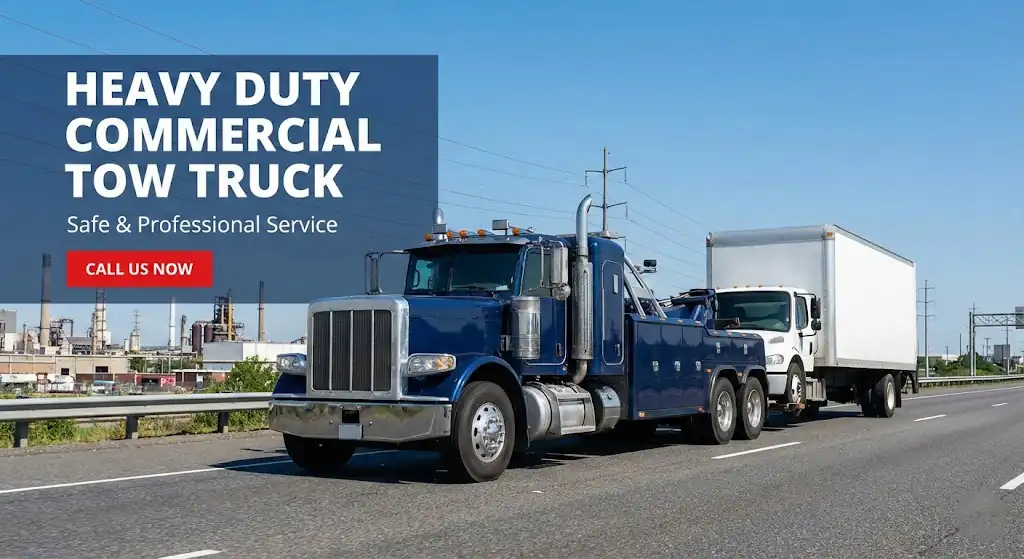
Loading docks blocked by unauthorized vehicles, personal cars parked in truck staging areas, and overnight camping in commercial lots. These often require heavy-duty towing capability for trucks and trailers in addition to standard vehicle removal.
Medical Offices, Churches, and Community Facilities
Limited parking means every spot counts. Patients or congregants unable to park leads to complaints and lost revenue. Enforcement must balance firmness with community sensitivity — clear signage with reasonable grace periods works best.
Protect Your Property’s Parking. Legally.
TSSEA-compliant enforcement, proper signage, documented tows, 24/7 response. Contract or per-call options.
How a Parking Enforcement Tow Contract Works
Setting up a formal tow contract with a TSSEA-certified operator is the professional, legally defensible way to manage unauthorized parking. Here’s how the process works:
Consultation and Property Assessment
We visit your property, assess the parking layout, identify problem areas, review current signage, and understand your enforcement needs. No charge for this assessment.
Signage Compliance Review
We verify your existing signage meets legal requirements — placement, wording, visibility, and tow company information. If signs need upgrading, we can supply compliant signage or recommend a sign vendor.
Contract and Authorization Process
We establish a clear authorization process — who on your team can request a tow, how the request is made (phone call, app, email), and what documentation is required for each removal. This protects both you and us legally.
Enforcement and Response
When an unauthorized vehicle is identified, your authorized person calls (226) 476-0477. We dispatch a truck, document the vehicle and violation with photographs, and remove it to a licensed storage facility. Typical response: 20–40 minutes.
Vehicle Owner Retrieval
The vehicle owner contacts us using the number on your signage. They pay the towing and storage fees directly to us — not to you. You are not involved in the payment process, which eliminates conflict between you and the vehicle owner.
The cost to you as a property owner: typically nothing. Towing and storage fees are paid by the vehicle owner, not the property owner. Your investment is signage and the time to authorize each tow. Some properties also arrange optional regular patrol schedules for a monthly fee — contact us at (226) 476-0477 to discuss options.
Liability Risks for Property Owners
Improper parking enforcement can expose you to legal liability. Protect yourself by avoiding these common mistakes:
🚩 Liability Risks
✘ Towing without proper signage posted
✘ Using an unlicensed tow operator
✘ Allowing the tow company to patrol and tow without your specific per-vehicle authorization
✘ Towing vehicles with disability permits from accessible spots
✘ Failing to document the violation before the tow
✅ How to Protect Yourself
✔ Compliant signage at every entry point
✔ Use only TSSEA-certified tow operators
✔ Written authorization for each individual tow
✔ Photos of the vehicle, its location, and the posted signage before every tow
✔ Keep records of all tow authorizations for at least 2 years
For Ontario’s full regulatory framework, visit the Ontario towing and vehicle storage requirements page. For municipal bylaws specific to the Waterloo Region, the Region of Waterloo bylaws page covers parking enforcement regulations that apply across Kitchener, Waterloo, and Cambridge.
Fire Route Violations: Special Rules
Vehicles blocking fire routes represent both a parking problem and a safety hazard. Fire route enforcement has additional rules:
- Fire routes are marked by bylaw — the Region of Waterloo and local fire departments designate fire routes on private properties. These must be clearly marked with “No Parking — Fire Route” signs.
- Immediate towing is generally permitted — fire route violations are a public safety issue. Most municipalities allow immediate towing without the longer notice periods that may apply to other parking violations.
- Fines compound the cost for violators — in addition to towing and storage fees, fire route violators face municipal fines that can reach $200–$400+ per offence in the Waterloo Region.
- Document aggressively — fire route violations are the most likely to be contested. Photograph the vehicle, the fire route signage, and the exact position blocking the route before the tow.
Our team at (226) 476-0477 handles fire route enforcement tows regularly and understands the documentation requirements. For other property services, see our commercial towing page and our flatbed towing for vehicle transport. For general towing pricing, see affordable towing tips and Kitchener towing rates or the cost estimator. Browse our full services — including 24-hour towing, emergency towing, roadside assistance, scrap car removal, and heavy towing. For drivers who have been towed from your property, our guide on what happens after a tow in Ontario answers their questions so you don’t have to.
Frequently Asked Questions
Can I tow cars from my private parking lot in Kitchener?
Yes, as long as you meet the legal requirements: compliant signage at every entrance warning of towing, a contract with a TSSEA-certified tow operator, authorization from the property owner or manager for each tow, and photographic documentation of the violation before the vehicle is removed.
Who pays for the tow when a car is removed from private property?
The vehicle owner pays the towing and storage fees, not the property owner. The vehicle owner contacts the tow company using the number on your posted signage, pays the fees, and retrieves their vehicle from the storage facility. Your cost as a property owner is signage and the time to authorize the tow.
What signage do I need for enforcement tow programs?
Signs must be posted at every entrance to the parking area, clearly state that unauthorized vehicles will be towed at the owner’s expense, and include the name and phone number of the contracted tow company. Signs should be at least 30 by 45 centimetres, use high-contrast colours, and be readable at night.
Can a tow company patrol my lot and tow on their own?
No. Each individual tow must be authorized by the property owner or an authorized representative. A tow company cannot independently patrol your lot and remove vehicles without your specific approval for each removal. This per-vehicle authorization requirement protects you from liability and ensures only genuine violators are towed.
How quickly can an enforcement tow truck arrive?
Typical response time for parking enforcement tows in Kitchener, Waterloo, and Cambridge is 20 to 40 minutes. Priority calls for fire route violations or blocking commercial operations may receive faster dispatch. We operate enforcement towing 24 hours a day, 7 days a week.
What if the vehicle owner claims the tow was illegal?
This is why documentation is critical. If you have photographs of the compliant signage at the entrance, the vehicle in the unauthorized spot, and the written authorization for the tow, you have a strong legal position. Without these, the vehicle owner may have grounds to dispute the charges or seek compensation from you.
Can I tow vehicles with disability permits?
Extreme caution is required. Vehicles displaying valid accessible parking permits in designated accessible spots should generally not be towed. If the vehicle is in a non-accessible spot, the same rules apply as any other vehicle. If you are unsure, do not authorize the tow — consult municipal bylaw enforcement for guidance first.
Do I need a contract or can I call for enforcement on a per-tow basis?
Both options are available. A formal contract ensures consistent signage, documented procedures, and priority response. Per-call enforcement works for occasional needs but may have slower response times and requires you to verify signage compliance independently. For properties with regular parking issues, a contract is strongly recommended.
Does the tow company need to be TSSEA-certified for parking enforcement?
Yes. Every tow operator in Ontario must hold a valid TSSEA certificate regardless of whether the tow is a breakdown call, accident recovery, or parking enforcement removal. Using an uncertified operator is illegal and exposes you to liability if the vehicle owner files a complaint. Always verify the tow company’s TSSEA certification before establishing a contract.
How do condo boards set up parking enforcement towing?
Condo boards should first pass a bylaw or resolution authorizing enforcement towing, then contract a TSSEA-certified tow company, install compliant signage at all parking area entrances, and designate one or more board members or the property manager as authorized persons who can approve individual tow requests. The tow company handles signage consultation, enforcement response, and vehicle owner retrieval — the board simply approves each tow as needed.
Your Lot. Your Rules. Legally Enforced.
TSSEA-certified enforcement. Compliant signage. Full documentation. 24/7 response.
Kitchener • Waterloo • Cambridge • All Property Types